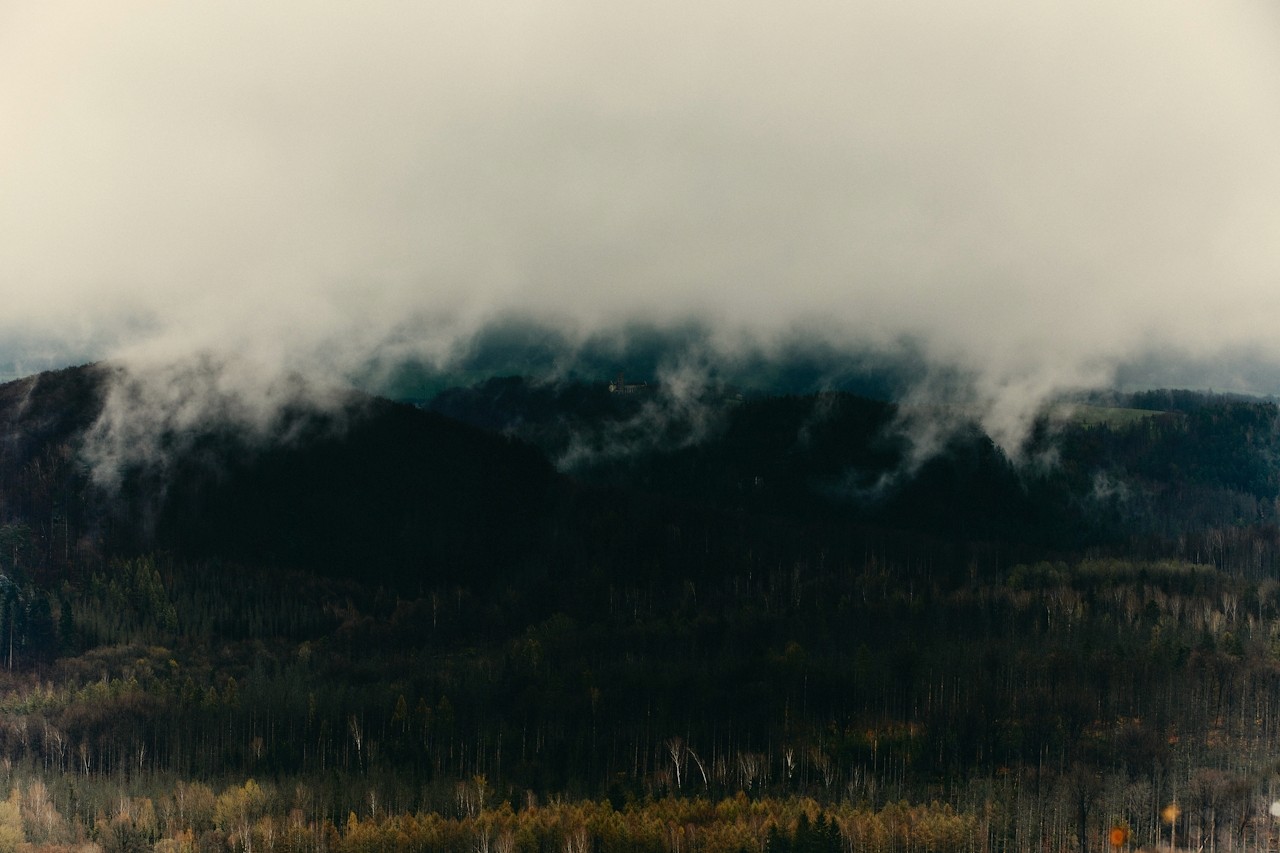
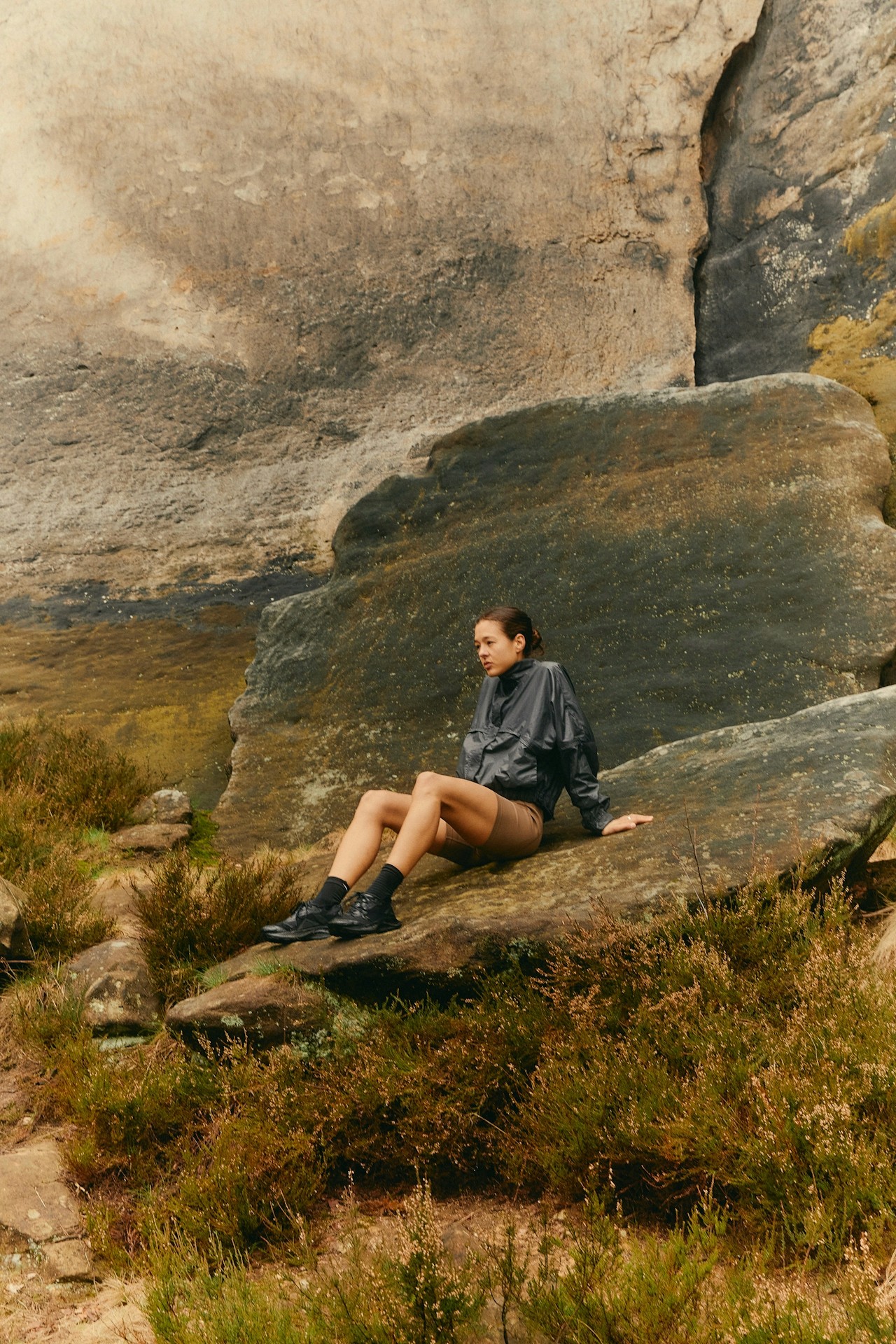
Remarkable landscapes can be found north of Plymouth, on Dartmoor, a region of central Devon, United Kingdom. These wild lands are home to free-roaming sheep, cows, and ponies. It is also here, in Dartmoor, that one finds the highest concentration of prehistoric remains from the late Neolithic to the early Bronze Age in England. Among the archaeologists’ discoveries are a burial chamber at least 4,000 years old and a stone circle forming part of a “sacred arc” more than 525 meters above sea level. It is not far from these very ancient traces of human life that a family has chosen to live. On a plot of approximately 18 hectares, a long house stretches across the site, following its natural topography. The project is organized simply: a central artery, like a cobbled street, serves each living space one by one. As this circulation follows the gentle slope of the land, the rooms remain independent and sit at different levels. This long corridor is an in-between space, bridging interior and exterior, communal areas and more private rooms. Punctuated by numerous patios that define the house, this corridor opens directly onto the surrounding landscape, while the roof follows the curve of the ground, allowing light and trees to pass through openings above each patio. Isolated from the outside, the concrete walls of the house are clad in dark metal, contrasting with the light tone of the green roof slab and the peripheral supporting posts. Their distinctive shape pays homage to the surrounding monoliths.
Role:
Unbuilt project
Imagery
Photography